They’re called upper crossed syndrome and lower crossed syndrome: two common patterns that develop when certain muscles become tight and overactive while the muscles opposing them become weak and underactive.

With upper crossed syndrome, the muscles across your chest, neck, and shoulders become imbalanced. Your head begins to move forward, your shoulders round, and your upper back is forced to work harder to hold you upright.
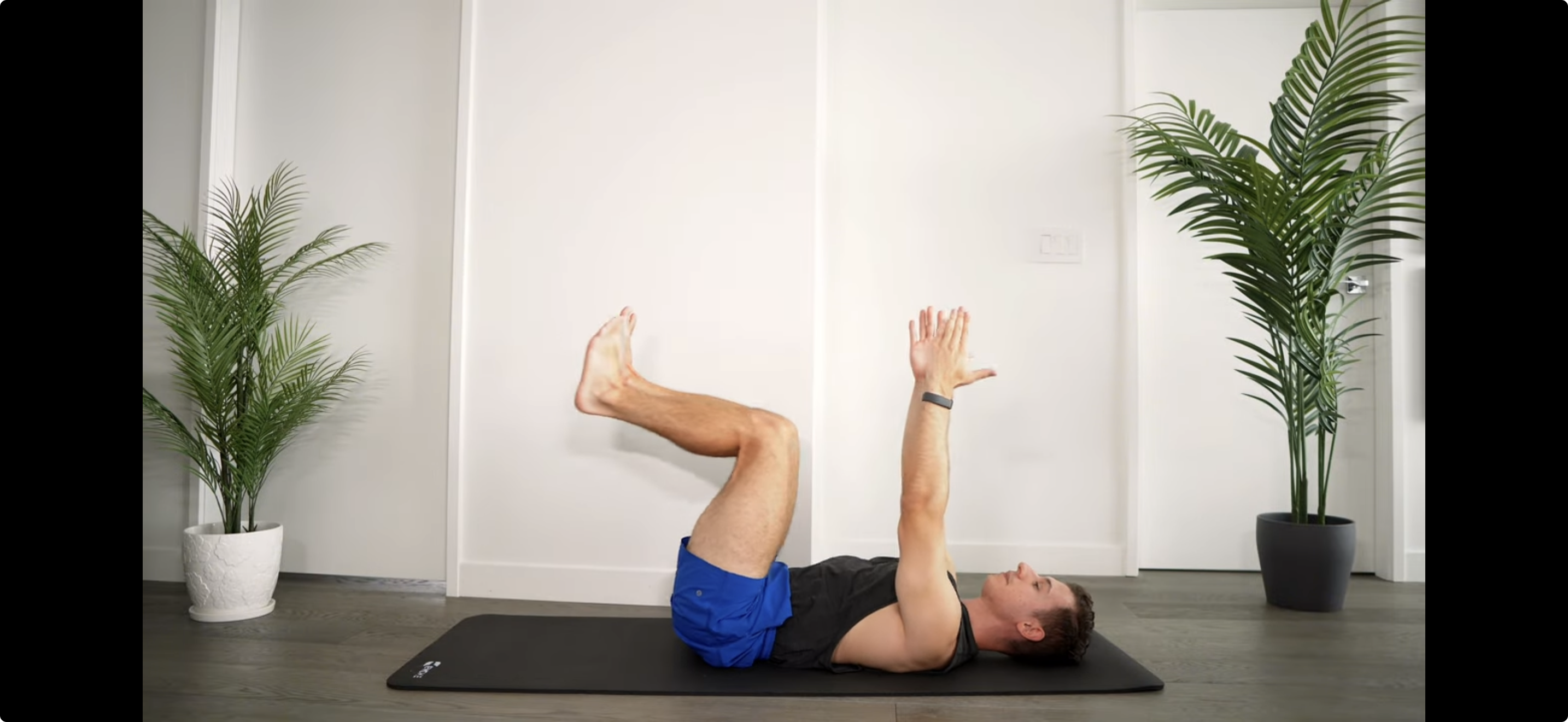
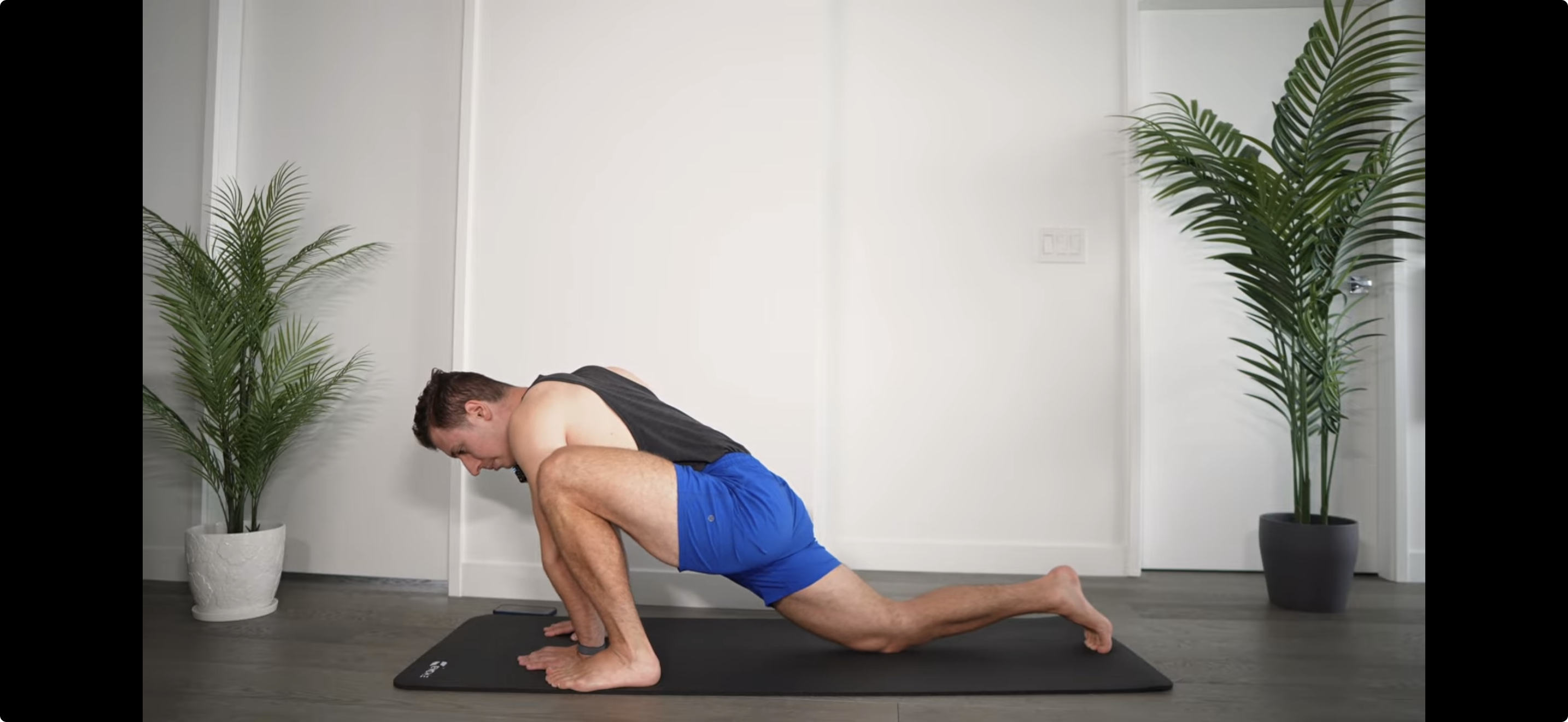
With lower crossed syndrome, tight hip flexors and lower-back muscles pull your pelvis out of alignment while weak abdominal and glute muscles struggle to stabilize it. This places additional stress on your hips, knees, and lower back.
These two patterns can affect how your entire body moves, from standing up and reaching overhead to bending, walking, exercising, and playing with your kids.
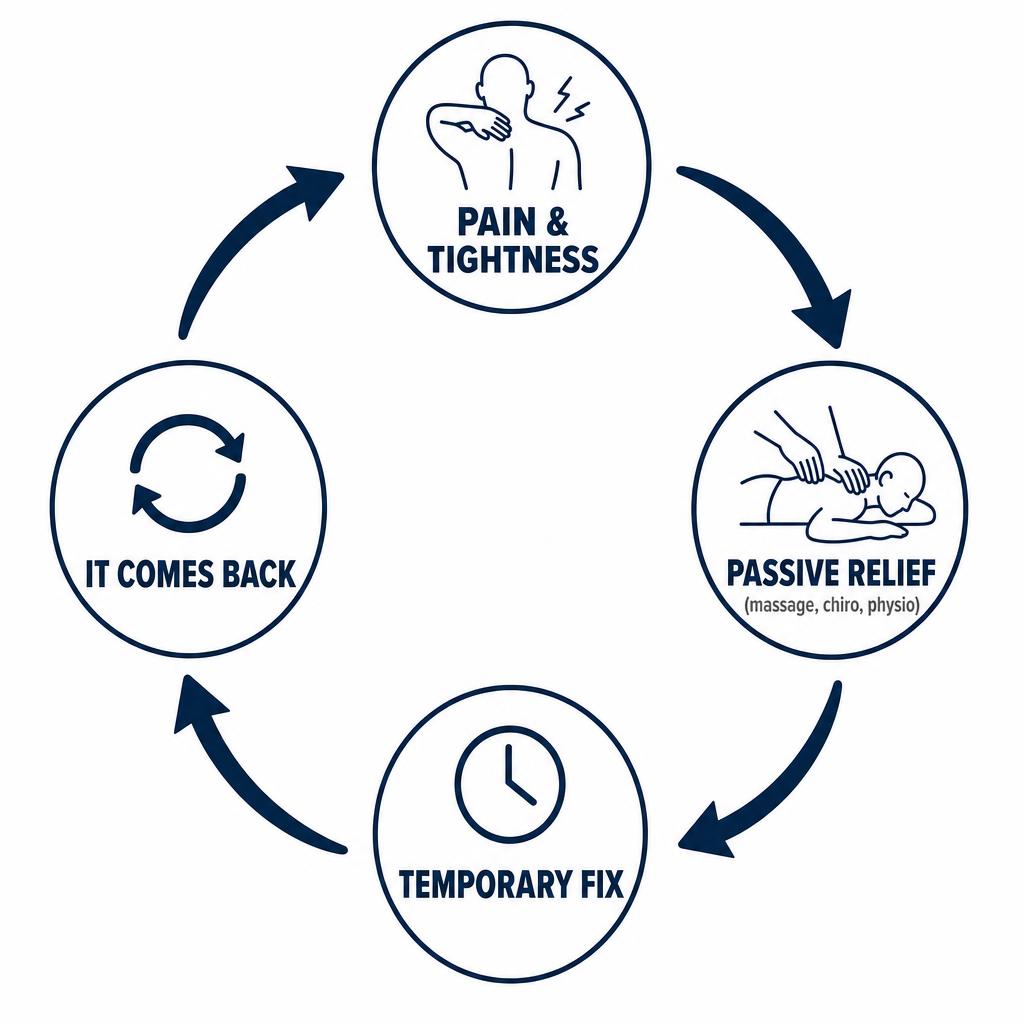
And unless you restore mobility to the tight areas while strengthening the muscles that have become weak, your body will continue compensating, and the same stiffness, limitations, and flare-ups will keep returning.